
Trump Congress Investigations: Order Limits Oversight
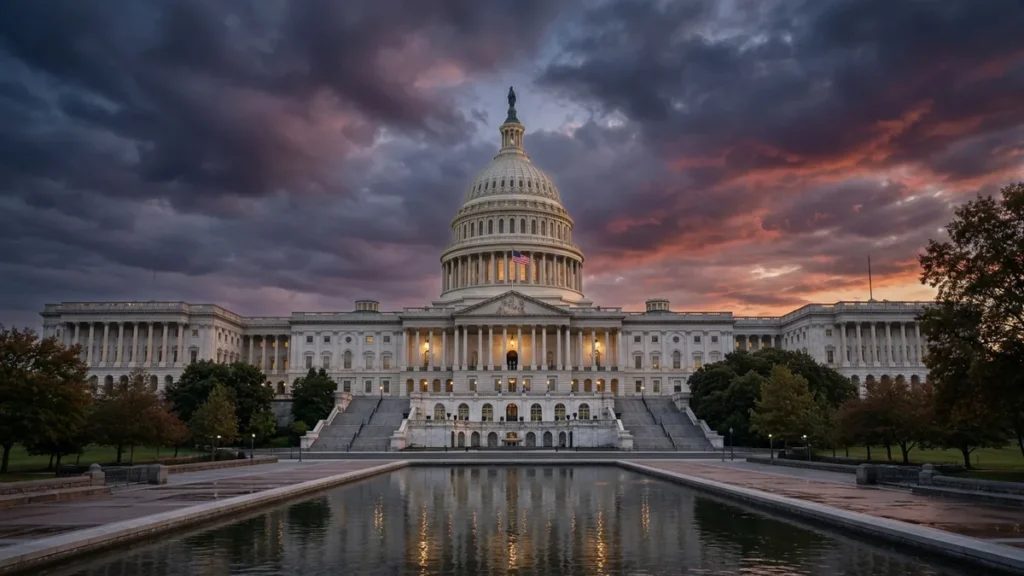
President Donald Trump is seeking to limit who, how and what Democrats can investigate as they prepare to use their new powers in the next Congress, in a major power play that has set up a showdown between the White House and Capitol Hill.
Trump signed an executive order late Friday, November 20, 2026, warning businesses that deal with the federal government to coordinate requests for information or communications with the White House.
Key Democratic investigators are pushing back hard.
Key Takeaways
- Trump signed an executive order telling federal contractors to check with the White House before responding to Congress.
- Companies that refuse risk losing contracts or being suspended from federal work.
- Democrats take control of Congress in January and plan wide-ranging investigations.
- Democratic Representative Jamie Raskin called the order “totally unprecedented and blatantly unlawful.”
- The fight previews a bitter battle over executive privilege in 2027.
What happened
The order directs federal contractors and subcontractors to consult with the administration about inquiries they receive from Congress and to withhold any communications the White House considers privileged. The companies must also coordinate with the White House and US agencies on “appropriate responses” to such requests.
Trump’s counsel, Will Scharf, told federal agencies on Monday that they must seek approval from his office and the White House’s Office of Legislative Affairs before agreeing to appear before Congress. Scharf also suggested in a letter to Representative Robert Garcia of California, the top Democrat on the House Oversight Committee, that some congressional investigations may amount to “blatant criminality.”
Why it matters
Democrats have made government contracts one of their top investigative targets, noting that federal money has been flowing to companies linked with Trump’s family, particularly at the Pentagon. They also plan probes into White House dealings with corporate CEOs, Trump’s architectural projects including his new ballroom, the business activities of Trump’s family and Cabinet members, and the origins and conduct of the Iran war.
The order previews a novel confrontation over the scope of executive privilege, which is derived from the president’s Article II powers in the Constitution. The privilege seeks to protect the confidentiality of the president’s decision-making, but the Supreme Court has held in various rulings that it is not absolute and must be weighed against the need for public disclosure.
What happens next
The aggressive White House mobilization suggests the president’s claims of executive power will be as expansive in his own defense as they were when he went on offense early in his second administration. The appointment of Stephen Miller as chief of staff and the selection of Representative Jim Jordan as House Republican leader reinforce the confrontational posture.
Companies that contract with the federal government could find themselves caught between two branches of government, risking their business if they decline to cooperate with the White House or antagonize Democrats who may hold the presidency in the future.
Key facts
- The executive order was issued late Friday, November 20, 2026.
- It applies to all federal contractors and subcontractors, tens of thousands of businesses.
- Democrats take over Congress in January 2027 after winning the 2026 midterms.
- Representative Jamie Raskin is the incoming head of the House Judiciary Committee.
FAQ
What does Trump’s executive order do?
It tells federal contractors to coordinate with the White House before responding to Congress and to withhold communications the White House considers privileged.
Why are Democrats angry about it?
They say it is an attack on Congress’s constitutional right to conduct oversight, just as they prepare investigations into government contracts and Trump’s family businesses.
Is executive privilege absolute?
No. The Supreme Court has ruled that the privilege is not absolute and must be weighed against the need for public disclosure, with courts as the final arbiter.
Sources
- CNN: Trump’s showdown with Congress is catching fire, weeks before Democrats take power — https://www.cnn.com/2026/11/23/politics/trump-democrats-investigations-congress?cid=external-feeds_iluminar_meta
- Associated Press (via Netscape): Trump orders federal contractors to check with White House before responding to Congress — https://staging.connect.netscape.com/news/story/0001/20261121/9546e1d7acdf3e65b654d1c5162cb0bd
Internal links
- Trump halts Iowa explosives detonation: https://clipnest.blog/2026/11/trump-halts-iowa-explosives-detonation.html
- CrowdStrike acquires Zscaler in $44 billion deal: https://clipnest.blog/2026/11/crowdstrike-zscaler-44-billion-deal.html
Pingback: Trump Iowa Explosives Detonation Halted Pending Court Ruling - Top News Today
Pingback: CrowdStrike Zscaler Deal: $44 Billion Cybersecurity Merger - Top News Today
Pingback: US Military Aid to Israel: Envoy Doubts Trump's Promise