Key Takeaways
- The US Senate has passed a bipartisan energy permitting bill that speeds up reviews for energy projects and data centers.
- The bill removes or shortens some environmental and legal guardrails that can delay projects for years.
- Supporters say it could unlock clean energy and AI infrastructure; environmental groups strongly object.
- The bill now goes to the House of Representatives, where its future is not yet certain.
What happened
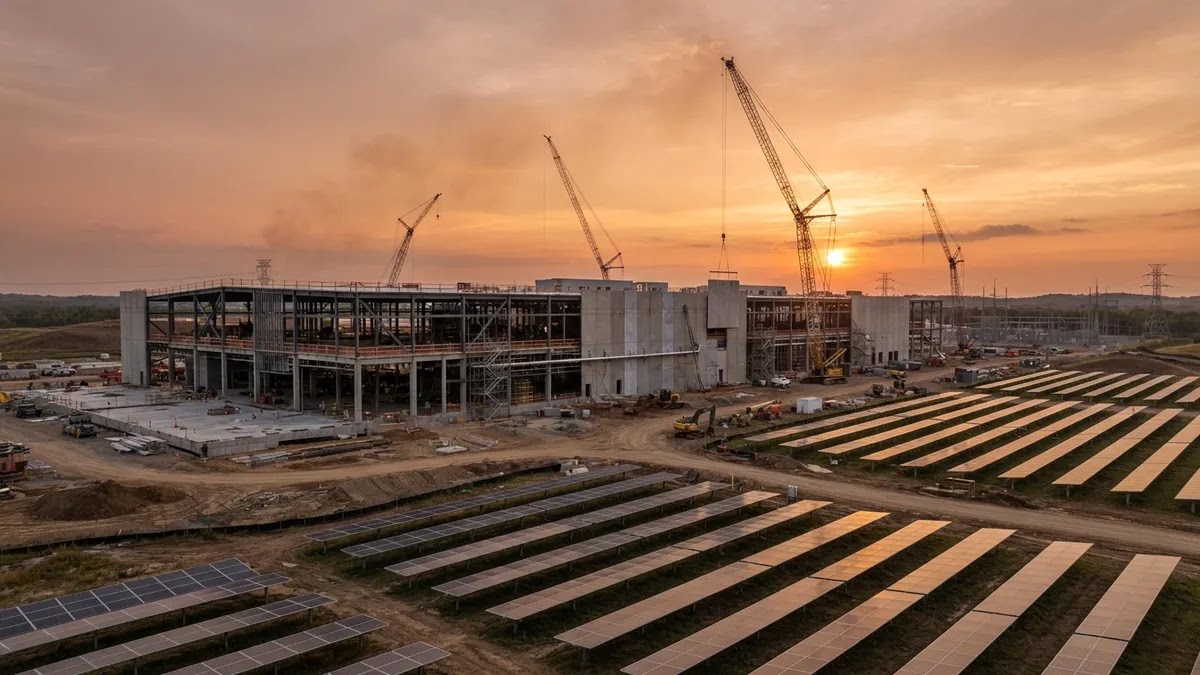
The United States Senate has passed a major energy permitting bill designed to fast-track approvals for energy projects and data centers across the country. The bipartisan legislation shortens federal permitting reviews and removes some of the environmental and legal guardrails that developers say have slowed projects down.
The vote is a significant win for lawmakers who argue that the United States is building too slowly at a moment when electricity demand is rising fast. Data centers that power artificial intelligence services are a central part of that debate, because each new facility needs large amounts of power and grid connection approvals.
Republican senators celebrated the result as a breakthrough after years of gridlock in Washington. According to Fox News, Senate Republicans described the package as a massive overhaul of American energy and data center approvals. The Guardian reported that environmental groups reacted with alarm, warning that faster reviews could weaken protections.
Why it matters
Permitting is one of the least visible but most powerful parts of energy policy. A solar farm, a transmission line or a data center can be fully financed and still wait years for approvals. Supporters of the bill say this delay has become a national problem: clean energy projects stall in the same queues as everything else, and the grid struggles to keep up with demand.
The bill also lands in the middle of the AI building boom. Technology companies are racing to secure power for data centers, and energy approvals have become a bottleneck. Faster permitting could mean projects break ground sooner, from power plants to the transmission lines that connect them.
Critics answer that speed has a cost. Environmental groups say the guardrails being removed exist to protect air, water and local communities, and that weakening them to move faster is a mistake. That disagreement — build faster versus review carefully — is the core fight around the bill.
What happens next
The legislation now moves to the House of Representatives. If the House passes it in the same form, it would go to the president for signature. If the House changes it, the two chambers would need to agree on a final version first.
Business groups are expected to push for a quick House vote, while environmental organizations have promised to campaign against it. The debate will also test how far concerns about AI power demand can carry energy legislation through Congress.
For readers following the wider story, the bill connects directly to the administration’s recent trade and technology moves in Asia, which we covered in our report on Trump’s Southeast Asia deals. More coverage is on the Top News Today homepage.
Key facts
- What: The Senate passed a bipartisan bill to fast-track energy and data center permitting.
- Effect: Shorter federal reviews and fewer environmental and legal guardrails.
- Supporters: Lawmakers and industry groups who say America builds too slowly.
- Critics: Environmental groups who say protections are being weakened.
- Next step: The bill goes to the House of Representatives.
FAQ
What does the energy permitting bill do? It speeds up federal approval reviews for energy projects and data centers and removes some environmental and legal steps that can delay construction.
Why are data centers part of an energy bill? Data centers use very large amounts of electricity, and each one needs energy and grid approvals before it can be built and switched on.
Is the bill law now? No. The Senate has passed it, but it still needs to pass the House of Representatives and be signed by the president.
Sources: Fox News, The Guardian